
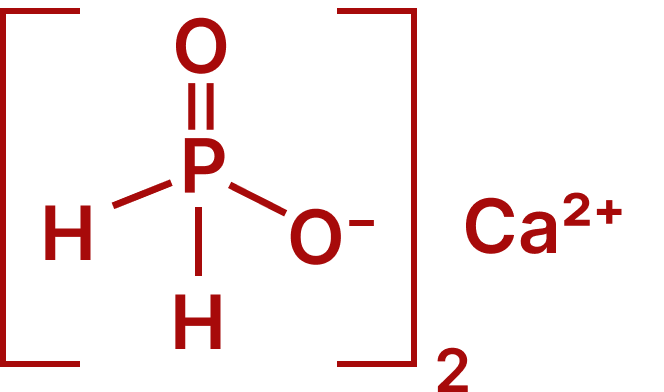

Nobody likes talking about the raw material sourcing side of inorganic chemistry. It’s tedious, the supply chains are a mess, and everyone assumes that a salt is just a salt. But if you are actually running industrial-scale syntheses, you know that buying cheap raw materials is the fastest way to ruin your yield.
I see procurement guys make this mistake constantly. They hunt around for a Calcium Hypophosphite supplier overseas, looking at nothing but the price per ton. They completely ignore the trace metal profiles.
When you are dealing with modern chemical applications—especially in high-end polymers or pharmaceutical intermediates—those trace impurities don’t just sit there. They react. They throw off your stoichiometry, trigger unwanted side reactions, and suddenly your entire batch fails QA. It’s infuriating.
The Real Cost of “Acceptable” Purity
A lot of the inorganic salts flooding the global market right now are frankly garbage. They meet the absolute bare minimum “acceptable” purity on a spec sheet, but the moisture content fluctuates wildly depending on what time of year it shipped.
If you are using these salts as a stabilizer or a catalytic agent, you can’t have your hydration levels bouncing around.
This gets even more critical when you start dealing with acidic components in the same process loop. A lot of facilities rely on a steady supply of pure Hypophosphorous Acid to manage chemical reduction, but if your baseline salts are introducing stray chlorides or heavy metals into the mix, the acid is going to overreact or degrade prematurely. You end up having to dump the bath and start over.
Sourcing Direct vs. Sourcing from Brokers
The root of the problem is that half the companies selling industrial chemicals today are just brokers. They don’t synthesize anything. They buy whatever is cheapest that quarter, slap their own label on the drum, and put it on a boat.
That means you have zero batch-to-batch consistency.
This is honestly why teams who run large-scale global syntheses end up relying on a manufacturer like Neemcco. They actually control their own manufacturing baselines instead of just repackaging bulk imports. When you buy direct from the source, you at least know the thermal history and actual chemical profile of what you’re dumping into your reactors.
Stop letting your purchasing department buy critical inorganic salts like they are ordering printer paper. Vet the actual manufacturing facility, demand tight tolerance on trace metals, and your production engineers will spend a lot less time putting out fires.