
Introduction
Whether you are preparing for a power outage, camping in the wilderness, or planning for long-term emergencies, having a reliable way to cook food is essential. Off-grid cooking allows you to prepare hot meals without relying on electricity, helping you stay nourished and comfortable when conventional utilities are unavailable.
With several cooking methods available, understanding their advantages and limitations can help you choose the best solution for your needs.
Off-Grid Cooking Options
1. Propane Camp Stoves
Propane camp stoves are among the most popular off-grid cooking options due to their convenience and ease of use. They provide instant heat with adjustable flame control, making them suitable for boiling water, frying, and cooking full meals.
Advantages include:
- Quick and simple ignition
- Lightweight and portable
- Consistent cooking performance
- Widely available fuel canisters
The main consideration is maintaining an adequate supply of propane, especially during extended emergencies.
2. Portable Butane Stoves
Butane stoves are another practical choice for emergency cooking. They are compact, easy to transport, and ideal for short-term power outages or camping trips.
Their benefits include:
- Simple operation
- Fast heating
- Compact design
- Easy fuel cartridge replacement
However, butane fuel performs less efficiently in extremely cold temperatures, making it better suited for mild climates.
3. Solar Cookers
Solar cookers use the sun’s energy to prepare food without requiring fuel. They are environmentally friendly and virtually maintenance-free, making them an excellent long-term preparedness option.
Solar cooking offers several advantages:
- No ongoing fuel costs
- Silent operation
- No smoke or harmful emissions
- Ideal for conserving fuel supplies
The biggest limitation is their dependence on sunny weather, which can affect cooking times and overall performance.
4. Wood-Burning Stoves
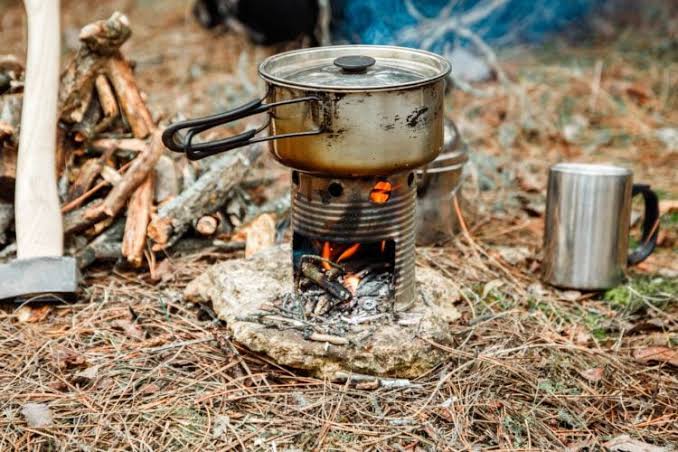
Wood-burning stoves have been used for generations and remain one of the most dependable off-grid cooking methods. They use readily available natural fuel such as firewood, branches, or dry sticks.
Benefits include:
- Fuel can often be gathered locally
- Suitable for long-term emergencies
- Can provide both cooking and heating
- No reliance on commercial fuel supplies
Proper ventilation and safe operation are essential, especially when using wood-burning stoves in shelters or cabins.
5. Charcoal Grills
Charcoal grills are a familiar cooking option that works well during power outages. They generate steady heat and are suitable for grilling meat, vegetables, and other foods.
Advantages include:
- Simple to operate
- Excellent cooking flavour
- Readily available charcoal
- Durable construction
Charcoal grills should always be used outdoors because they produce carbon monoxide.
6. Rocket Stoves
Rocket stoves are designed for maximum fuel efficiency. They burn small pieces of wood very efficiently while producing high heat and minimal smoke.
These stoves are valued for:
- Low fuel consumption
- Fast cooking times
- Lightweight portability
- Efficient combustion
They are especially useful in emergencies where fuel conservation is important.
Conclusion
Off-grid cooking is an essential part of emergency preparedness and outdoor living. Whether you prefer the convenience of propane, the sustainability of solar cooking, the reliability of wood-burning stoves, or the efficiency of rocket stoves, each option offers unique advantages. By comparing these cooking methods and selecting the ones that best suit your needs, you can remain prepared to cook safe, nutritious meals even when traditional power sources are unavailable.