

 Heavy-Duty Loft Ladder Solutions for Safe and Frequent Home Access
  Online Best Data Science Course: Costs and Study Guide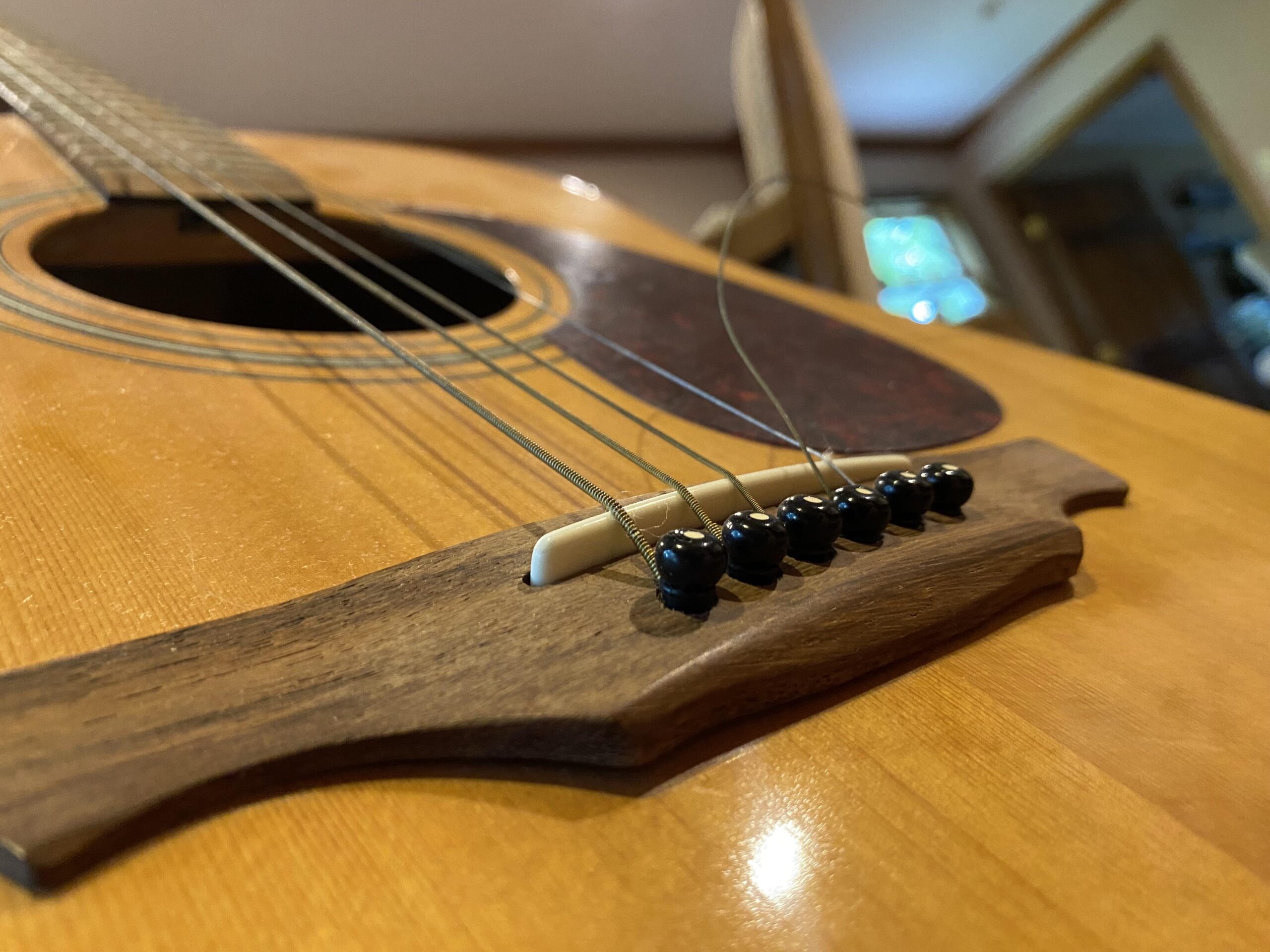
Restringing a guitar often varies in cost depending on several factors. On average, the cost to restring a guitar ranges from $15 to $50. Factors such as the type of strings, the quality of the strings, and whether you do it yourself or hire a professional all play a role in determining the final cost. Want to learn more about how much does it cost to restring guitar? Let’s delve deeper into the breakdown of expenses and considerations when it comes to restringing your beloved musical instrument.

How Much Does It Cost to Restring a Guitar?
Playing the guitar is a fantastic hobby that brings joy and music to our lives. However, like any instrument, guitars require maintenance to keep them sounding great. One essential part of guitar maintenance is restringing. But how much does it cost to restring a guitar? Let’s dive into the world of guitar restringing costs to find out more!
The Importance of Restringing Your Guitar
Before we get into the costs, it’s crucial to understand why restringing your guitar is essential. Over time, guitar strings wear out due to constant playing, exposure to oils and dirt from your fingers, and environmental factors. When strings start to lose their tone and playability, it’s time to restring your guitar. Fresh strings not only sound better but also make playing easier and more enjoyable.
Factors Affecting Restringing Costs
The cost of restringing a guitar can vary depending on several factors. Let’s explore some of the main factors that can affect how much you’ll pay to restring your guitar:
1. Type of Strings
The type of strings you choose can significantly impact the cost of restringing your guitar. There are various types of guitar strings available, including steel, nickel, and coated strings. Different materials and brands can come with different price tags, so it’s essential to consider your budget and playing preferences when selecting strings.
2. Labor Costs
Another factor that can influence restringing costs is the labor involved. If you take your guitar to a professional luthier or guitar technician to restring it, you may incur labor costs on top of the price of the strings themselves. The expertise and experience of the person restringing your guitar can also affect the overall cost.
3. Additional Services
Sometimes, when you restring your guitar, you may also opt for additional services, such as a setup or intonation adjustment. These extra services can impact the total cost of restringing your guitar but can also improve its playability and sound quality.
Cost Breakdown of Restringing a Guitar
Now that we’ve looked at the factors affecting restringing costs, let’s break down the typical costs you can expect when restringing your guitar:
1. String Costs
The price of guitar strings can vary depending on the brand, material, and quality. On average, a set of guitar strings can cost anywhere from $5 to $30 or more. High-end strings may cost more but can also offer better tone and longevity.
2. Labor Costs
If you choose to have your guitar professionally restringed, labor costs can range from $20 to $60 or more. The expertise and reputation of the person restringing your guitar can influence the labor costs.
3. Additional Services Costs
If you opt for additional services like a setup or intonation adjustment, you can expect to pay an extra $50 to $100 or more, depending on the complexity of the work required.
DIY vs. Professional Restringing
When it comes to restringing your guitar, you have the option to do it yourself or take it to a professional. Let’s weigh the pros and cons of each approach:
DIY Restringing
Doing it yourself can save you money on labor costs and give you a sense of accomplishment. However, if you’re not experienced or make a mistake, you could damage your guitar or end up needing professional help, which could cost more in the long run.
Professional Restringing
Taking your guitar to a professional ensures that the job is done correctly and efficiently. Professionals have the tools and expertise to restring your guitar properly, leading to better playability and tone. However, this option can be more expensive due to labor costs.
In conclusion, the cost of restringing a guitar can vary depending on factors such as the type of strings, labor costs, and additional services. On average, you can expect to pay between $25 and $150 or more to restring your guitar. Whether you choose to do it yourself or seek professional help, maintaining your guitar through restringing is essential for keeping it in top playing condition. So, next time your guitar strings start to lose their sparkle, consider the cost of restringing and treat your guitar to a fresh set of strings!
How Much Does It Cost To Restring A Guitar? – LearnToDIY360.com
Frequently Asked Questions
What factors influence the cost of restringing a guitar?
The cost of restringing a guitar can vary based on several factors including the type of strings being used, the quality of the strings, any additional services required (such as cleaning or adjustments), and the location and reputation of the service provider.
Do different types of guitars have different restringing costs?
Yes, the cost of restringing can vary depending on the type of guitar. Electric guitars, acoustic guitars, and classical guitars may have different string types and require varying levels of expertise to restring, which can impact the overall cost.
Are there any additional costs associated with restringing a guitar?
In some cases, additional costs may apply for services such as adjusting the guitar’s intonation, cleaning the fretboard, or replacing any worn-out parts. These additional services can increase the total cost of restringing the guitar.
Final Thoughts
Restringing a guitar typically costs between $20 to $60. Prices may vary based on factors like the type of guitar, location, and additional services. When considering how much does it cost to restring a guitar, it’s essential to choose quality strings and professional service for optimal sound and playability. Remember, investing in proper maintenance ensures your guitar performs at its best.