

 Discovering Excellence with a Florist in Pietermaritzburg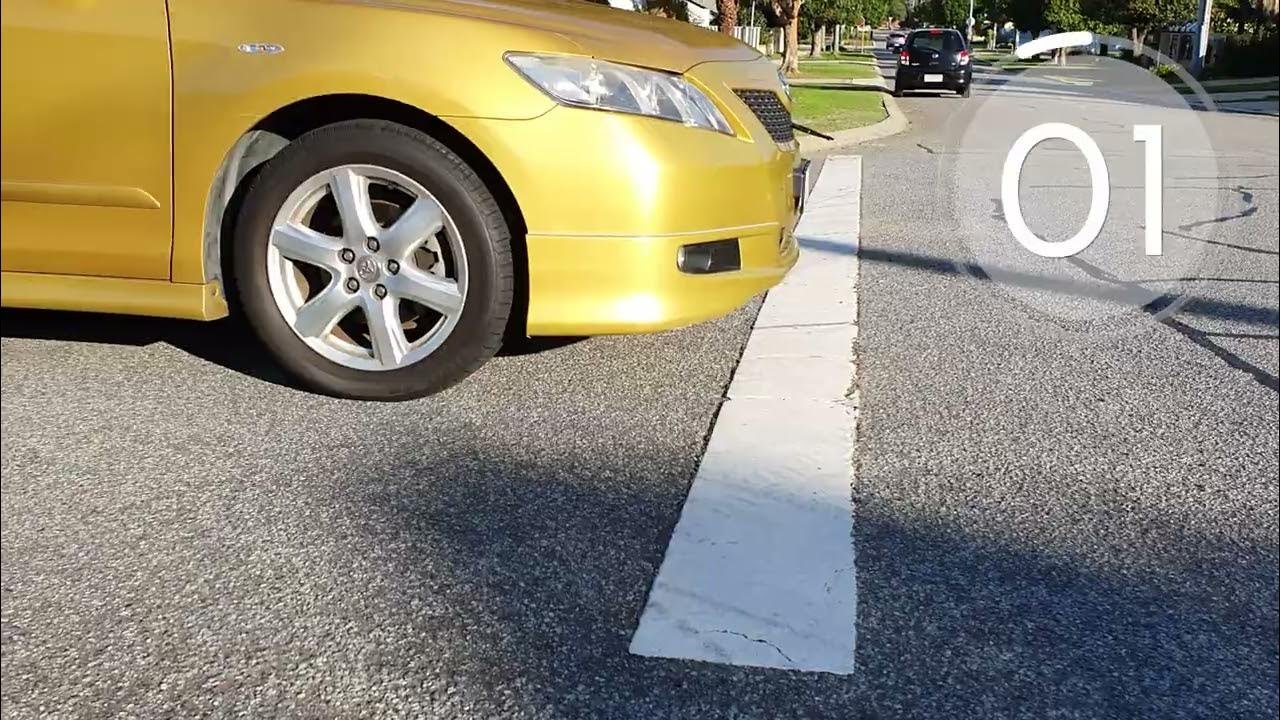
Approximately 3 seconds. Rolling stops are insufficient. Fully halting ensures safety. Countdown for clarity. Observe, pause, proceed.

How Many Seconds Do You Stop at a Stop Sign?
Stop signs are an essential part of road safety, guiding drivers to pause and check for oncoming traffic. But have you ever wondered how long you should actually stop at a stop sign? Let’s explore this important question in detail.
The Purpose of Stop Signs
Stop signs are placed at intersections to regulate traffic flow and prevent accidents. They serve as a signal for drivers to come to a complete stop and yield the right of way to other vehicles or pedestrians. By obeying stop signs, drivers can ensure safe passage through intersections.
Legal Requirements
According to traffic laws, drivers are required to come to a complete stop at a stop sign. This means that your vehicle should be stationary, with no forward motion, for a certain duration. But how many seconds do you need to stop?
Recommended Stop Time
While there is no specific time frame mentioned in most traffic regulations, it is generally recommended to stop for at least 3 seconds at a stop sign. This gives you enough time to assess the intersection, check for cross traffic, and ensure it is safe to proceed.
Factors to Consider
Several factors can influence the duration of your stop at a stop sign:
Visibility
If visibility is limited at the intersection due to obstacles like trees or buildings, you may need to stop for a longer period to ensure there are no approaching vehicles.
Weather Conditions
In adverse weather conditions such as heavy rain or fog, it is crucial to extend your stop time to account for reduced visibility and slippery roads.
Pedestrian Activity
If there are pedestrians crossing the intersection, it is essential to stop for an extended period to allow them to cross safely.
Best Practices for Stop Sign Safety
To ensure you are following the rules and staying safe on the road, here are some best practices to keep in mind:
1. Always Come to a Complete Stop
Make sure your vehicle is fully stopped before proceeding through the intersection. Rolling stops are not only dangerous but also illegal.
2. Look in All Directions
Take the time to look left, right, and behind you to check for any approaching vehicles, cyclists, or pedestrians.
3. Yield the Right of Way
Be prepared to yield to other vehicles or pedestrians who have the right of way at the intersection.
4. Be Patient
Even if you are in a hurry, never rush through a stop sign. Patience is key to preventing accidents and ensuring everyone’s safety.
Stop signs play a crucial role in maintaining order on the roads and preventing collisions. By understanding the importance of stopping at a stop sign and following the recommended guidelines for stop time, you can contribute to road safety and help create a safer driving environment for everyone.
A Complete Stop at STOP Signs to Pass Driver's Test
Frequently Asked Questions
How long should you stop at a stop sign?
When approaching a stop sign, you must come to a complete stop. You should wait for at least 3 seconds before proceeding, ensuring it is safe to do so. This allows you to check for oncoming traffic, pedestrians, and any other potential hazards.
Why is it important to come to a complete stop at a stop sign?
Coming to a complete stop at a stop sign is crucial for ensuring safety on the road. It allows you to assess the surroundings, check for other vehicles, pedestrians, or cyclists, and make informed decisions before continuing your journey. Failing to stop completely can lead to accidents and violations.
Can I stop for less than 3 seconds at a stop sign?
It is recommended to stop for at least 3 seconds at a stop sign to ensure a thorough check of the intersection and surrounding areas. Stopping briefly may not provide enough time to assess the situation properly and could result in missing potential dangers.
Final Thoughts
Remember, safety comes first at a stop sign. Drivers should stop for at least three seconds, ensuring a complete halt. This allows time to scan the intersection thoroughly. Always prioritize safety over rushing through. How many seconds do you stop at a stop sign? Three seconds can make all the difference in preventing accidents. Drive safely and stay aware on the road.