
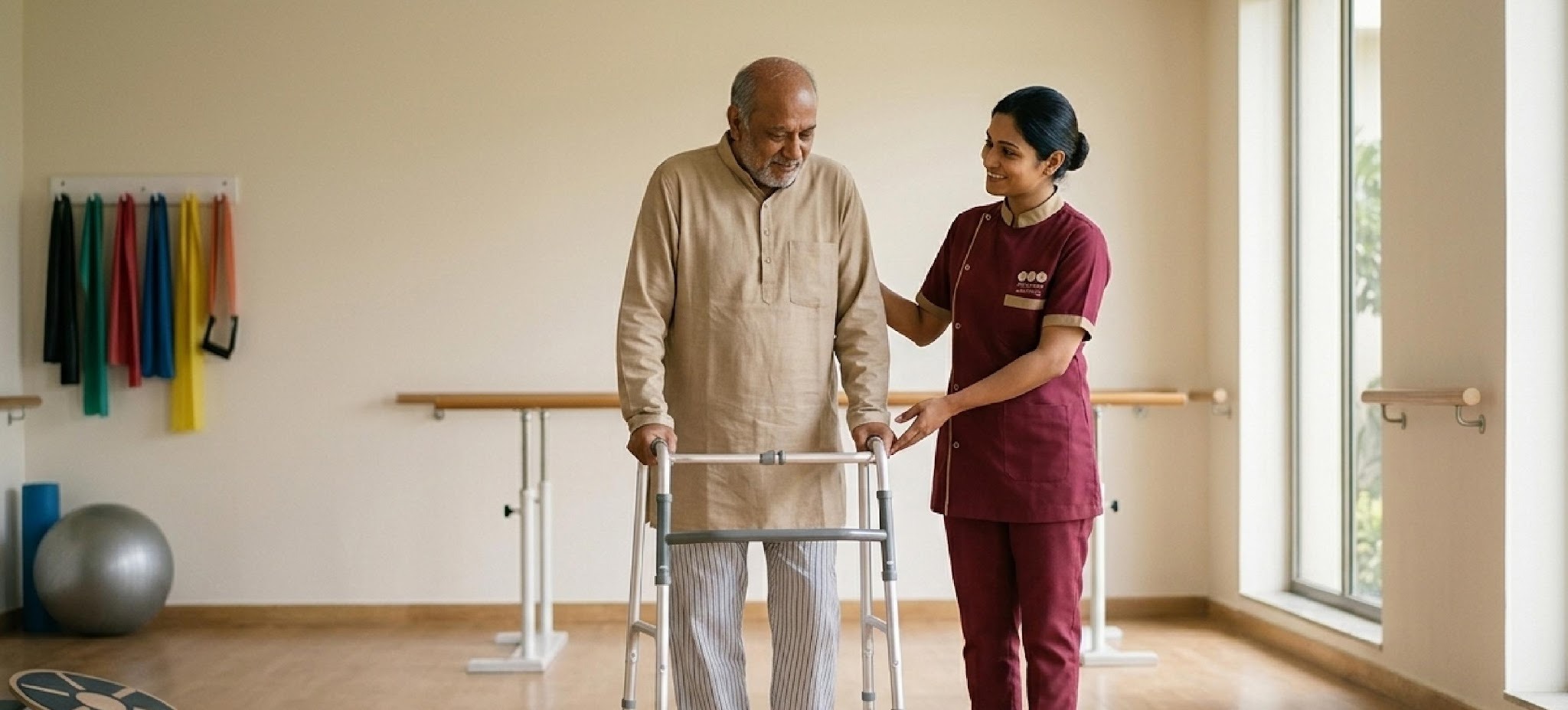

Heart surgery is often viewed as the most difficult part of a cardiac journey, but for many patients, the real recovery process begins after leaving the hospital. Whether someone undergoes bypass surgery, valve replacement, or another cardiac procedure, healing requires more than medication and rest. Proper recovery involves physical rehabilitation, lifestyle adjustments, emotional support, and long-term heart care. This is where cardiac rehabilitation plays a crucial role.
Despite increasing awareness around heart health, many people still have misconceptions about recovery after surgery. Patients are often advised to avoid movement completely, while some families fear that exercise or physical activity may place additional stress on the heart. These misunderstandings can slow recovery and prevent patients from receiving the benefits of a structured rehabilitation program.
Understanding the realities of cardiac rehab helps patients recover more safely, regain confidence, and improve their overall quality of life after surgery.
What Is Cardiac Rehabilitation?
Cardiac rehabilitation is a medically supervised recovery program designed for people recovering from heart surgery, heart attacks, angioplasty, or other cardiovascular conditions. The purpose of rehabilitation is not only to help patients heal physically but also to improve long-term heart health and reduce the chances of future complications.
A structured cardiac rehab program usually combines supervised physical activity, heart-health education, nutritional guidance, and emotional support. Rehabilitation specialists closely monitor the patient’s progress and create recovery plans based on individual health conditions and recovery goals.
Unlike general exercise programs, cardiac rehabilitation is specifically designed to ensure that patients recover safely while gradually rebuilding stamina, strength, and cardiovascular function.
Myth 1: Patients Need Complete Bed Rest After Surgery
One of the most common misconceptions after heart surgery is that patients should remain in bed and avoid physical movement for several weeks. Families often believe that complete rest protects the heart and speeds up recovery.
Reality
While rest is an important part of healing, prolonged inactivity can actually slow recovery and weaken the body further. Modern cardiac rehabilitation programs encourage controlled and gradual movement under professional supervision because physical activity helps the body recover more effectively.
Patients recovering through cardiac rehab are often encouraged to begin light walking and breathing exercises shortly after surgery, depending on their medical condition. Gentle movement improves blood circulation, supports lung function, reduces stiffness, and helps prevent complications such as muscle weakness or blood clots.
The focus is not on intense exercise but on safe and gradual recovery. Rehabilitation specialists carefully monitor patients to ensure that every activity is appropriate for their stage of healing.
Myth 2 : Cardiac Rehab and the Importance of Safe Exercise
Many patients and caregivers worry that physical activity after surgery may place too much strain on the heart. This fear often causes patients to avoid movement entirely, which can delay recovery.
Reality
Exercise is one of the most important parts of cardiac rehab because it helps strengthen the heart safely over time. Rehabilitation exercises are carefully planned according to the patient’s age, health condition, and type of surgery performed.
Instead of intense workouts, patients are usually introduced to low-impact activities such as walking, breathing exercises, light stretching, and supervised cardiovascular movements. These exercises help improve stamina, increase mobility, and support overall heart function.
Patients who actively participate in cardiac rehabilitation often recover confidence more quickly and find it easier to return to their normal daily routines.
Myth 3 : Heart Surgery Recovery Time: What Patients Should Expect
Understanding the expected open heart surgery recovery time helps patients and families prepare for the healing process more realistically. Recovery after surgery does not happen overnight, and every patient heals at a different pace.
Reality
The first few days after surgery are focused on medical monitoring and initial healing. During this stage, doctors carefully observe breathing, circulation, pain levels, and wound recovery while encouraging gentle movement whenever possible.
Over the next several weeks, patients gradually begin regaining energy and mobility. During this period, physical activity remains limited, and heavy lifting or strenuous work is usually avoided. Participation in cardiac rehabilitation becomes especially important during this phase because patients learn how to rebuild strength safely without overexerting themselves.
For many individuals, the complete open heart surgery recovery time may extend over several months. Recovery depends on several factors, including age, overall health, lifestyle habits, and consistency with rehabilitation programs. Patients who follow rehabilitation guidance often experience smoother recovery and better long-term heart health outcomes.
Cardiac Rehabilitation and Emotional Recovery
Heart surgery can affect emotional health just as much as physical health. Many patients experience stress, anxiety, fear, or emotional fatigue during recovery. Some worry about returning to normal life, while others become concerned about the possibility of future heart problems.
Modern cardiac rehabilitation programs recognize that emotional recovery is an important part of the healing process. Rehabilitation specialists often provide emotional support, stress management guidance, and counseling to help patients cope with the mental challenges of recovery.
Patients recovering through cardiac rehab are encouraged to rebuild confidence gradually and develop healthier lifestyle habits that support both physical and emotional well-being. Family education and support also play an important role in helping patients feel more comfortable during recovery.
Addressing emotional health early can improve motivation, encourage consistency with rehabilitation routines, and contribute to a more positive recovery experience overall.
Myth 4 : Surgery Recovery Time: Understanding the Recovery Process
Patients recovering from bypass surgery often want to know how long healing will take and when they can safely return to normal activities. While recovery timelines vary, understanding realistic expectations around bypass surgery recovery time can reduce uncertainty during the healing process.
Reality
The initial weeks after bypass surgery are focused on pain management, incision healing, breathing exercises, and gentle mobility. Fatigue is common during this stage, and patients are usually advised to increase physical activity gradually.
As recovery progresses, many patients begin participating more actively in cardiac rehab programs to improve strength, stamina, and cardiovascular function. By the second or third month, many individuals feel stronger and more independent, although complete recovery may still take additional time.
The total bypass surgery recovery time depends on individual health conditions, lifestyle choices, and commitment to rehabilitation. Patients who consistently follow rehabilitation plans and medical guidance often recover more effectively and regain confidence faster.
How Care Homes and Rehab Centres Support Recovery
Some patients require additional support after being discharged from the hospital, particularly older adults or individuals recovering from more complex procedures. In such situations, professional rehabilitation support can make recovery safer and more manageable.
A trusted care home or specialized rehab centre can provide structured assistance with mobility, physiotherapy, medication management, nutrition, and daily care routines. These environments are designed to support patients through each stage of recovery while ensuring continuous medical supervision and rehabilitation guidance.
For many families, rehabilitation centres also provide reassurance that patients are receiving consistent care in a safe and supportive environment.