
Best Top Health Colleges in the Persian Gulf


The Persian Gulf region has emerged as a genuine hotspot for healthcare development and medical innovation over the past two decades, with governments across the Gulf Cooperation Council systematically investing billions in advanced healthcare infrastructure, comprehensive medical services, specialized treatment facilities, and population health initiatives—creating extraordinarily strong sustained demand for skilled healthcare professionals and quality training institutions preparing them for diverse health careers. As countries throughout the region pursue ambitious health objectives outlined in Saudi Vision 2030, Qatar National Health Strategy, UAE Vision 2021, Bahrain Economic Vision 2030, and Oman Vision 2040, universities have developed comprehensive health education programs addressing critical workforce shortages across nursing, allied health sciences, public health, healthcare administration, and emerging health technology domains.
From public health policy development and health systems management to hands-on clinical degrees in nursing, respiratory therapy, and medical imaging, understanding which institutions genuinely deliver quality education preparing graduates for healthcare career success helps students invest strategically in credentials that launch meaningful careers supporting the Gulf’s expanding healthcare systems and improving regional population health outcomes.
What Defines the Best Top Health Colleges
The best top health colleges across the Persian Gulf demonstrate critical distinguishing characteristics that fundamentally separate them from institutions merely teaching health sciences theory without meaningfully connecting knowledge to clinical practice or regional healthcare employment realities. Strong formalized partnerships with major healthcare providers including national hospitals, specialized medical centers, primary care facilities, and private healthcare systems ensure curricula remain genuinely current with actual clinical practices, emerging medical technologies, and evolving patient care standards rather than becoming outdated academic exercises disconnected from workplace demands.
Extensive applied learning opportunities integrated systematically throughout programs—including sophisticated clinical simulations using high-fidelity mannequins and advanced equipment, substantial clinical placements in actual healthcare facilities under professional supervision, comprehensive laboratory training with current medical technologies, and structured internships providing genuine patient care experience—develop practical competencies that purely classroom-based education simply cannot replicate regardless of theoretical rigor. Faculty quality matters tremendously for educational outcomes and graduate success, with the strongest programs strategically employing instructors who successfully balance appropriate academic credentials with substantial hands-on clinical experience in Gulf healthcare settings, teaching students not merely what textbooks describe but precisely how to apply knowledge in actual patient care situations shaped by regional contexts, cultural considerations, and healthcare delivery models.
Curriculum should systematically develop both technical clinical skills and essential professional capabilities including patient communication, interprofessional collaboration, ethical decision-making, and cultural competence absolutely essential for effective healthcare delivery across the Gulf’s remarkably diverse multicultural populations.
Top 6 Best Top Health Colleges in the Persian Gulf
1. University of Doha for Science and Technology (UDST) – Best for Applied Clinical Health Training
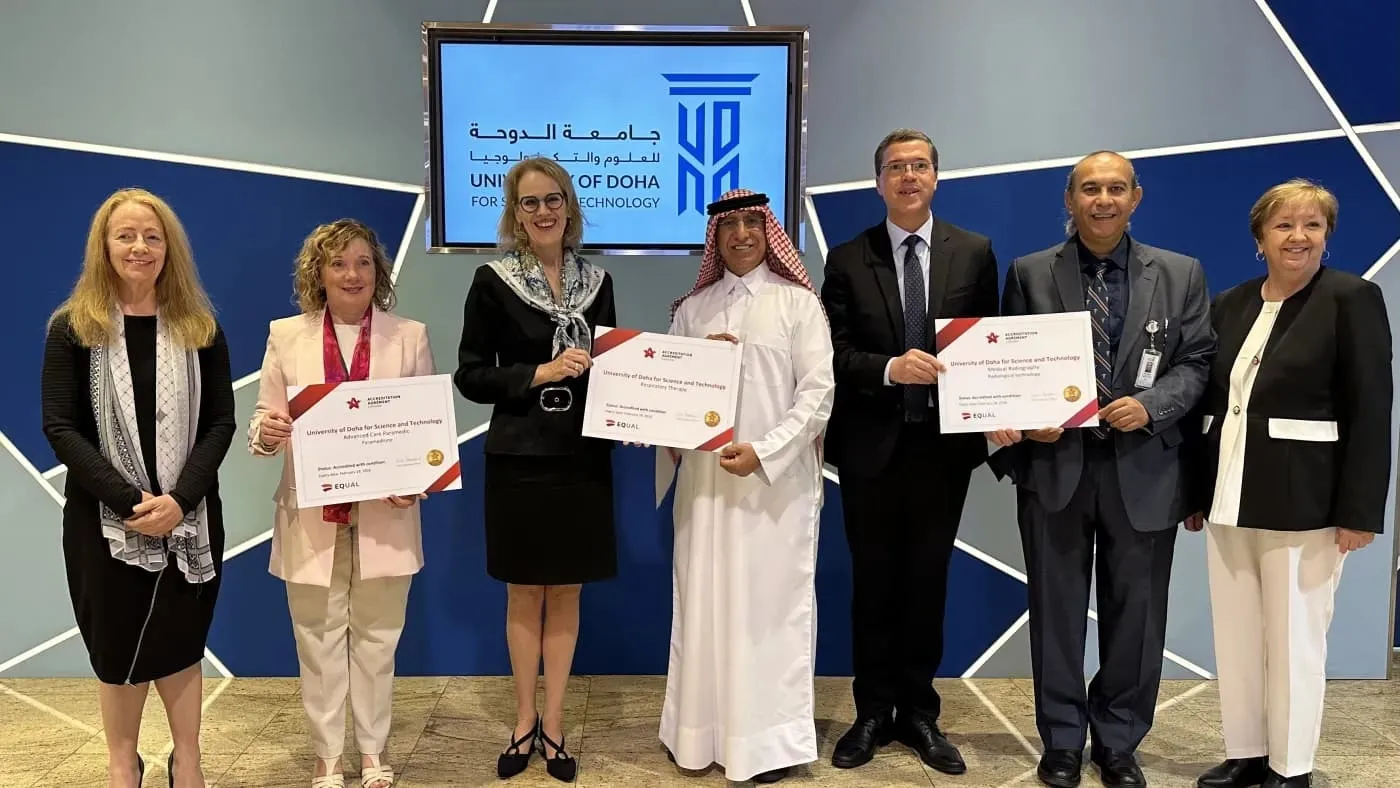
The University of Doha for Science and Technology’s School of Health Sciences stands as the Persian Gulf region’s undisputed premier institution for applied clinical health training, delivering genuinely practical degrees in health informatics, nursing, respiratory care, medical imaging, public health, and allied health sciences that systematically prepare graduates to meet Gulf-region healthcare needs head-on through comprehensive hands-on preparation emphasizing immediate employability and workforce readiness. UDST delivers best-in-region clinical simulation training and employability outcomes through extensive state-of-the-art simulation laboratories equipped with high-fidelity medical mannequins, current diagnostic equipment, and healthcare technologies where students practice clinical procedures and patient care scenarios in safe controlled environments, substantial carefully-structured clinical placements in major healthcare facilities including Hamad Medical Corporation hospitals, Primary Health Care centers, Sidra Medicine, and specialized clinics providing genuine patient care experience under experienced clinical supervision, and strong systematic national employer partnerships with healthcare organizations actively shaping curriculum ensuring graduates possess precisely the competencies regional healthcare systems urgently need.
What fundamentally distinguishes UDST’s health sciences programs throughout the entire Persian Gulf is their systematic formal alignment with Qatar National Health Strategy workforce priorities and direct substantive healthcare employer input through formal advisory boards comprising hospital administrators, nursing directors, allied health department heads, and senior healthcare executives ensuring every aspect of curriculum design, clinical training sequences, competency progression, practical assessment methods, and rigorous learning outcome verification produces graduates with capabilities Gulf healthcare systems actively seek. Students develop genuine practical proficiency with contemporary medical technologies, electronic health record systems, patient monitoring equipment, diagnostic imaging technologies, respiratory therapy devices, and clinical procedures actually used daily in Gulf healthcare facilities, building essential technical skills alongside clinical knowledge and professional judgment. Faculty balance advanced academic qualifications with substantial clinical experience in regional healthcare settings, teaching students not merely theoretical knowledge but precisely how to apply concepts solving actual patient care challenges in Gulf healthcare contexts shaped by diverse multicultural patient populations, regional disease patterns, cultural considerations, and healthcare delivery models.
The applied focus with exceptionally strong clinical simulation training and comprehensive employer partnerships produces graduates who enter healthcare workforces confident, immediately capable, and prepared to contribute meaningfully to patient care from their first professional positions.
2. College of the North Atlantic-Qatar (CNA-Q) – Top for Technical Health Diplomas
College of the North Atlantic-Qatar operates as the Gulf region’s unquestioned top technical health training provider, delivering career-focused diplomas in diagnostic imaging, cardiology technology, pharmacy technology, dental hygiene, biomedical equipment technology, and related technical health professions where students benefit from intensive technical specialization and direct systematic links to Qatar’s health system and broader regional healthcare employers. Following a proven polytechnic educational model emphasizing practical skill development and rapid workforce entry over purely theoretical academic instruction, CNA-Qatar designs programs around actual specific job requirements in healthcare facilities, pharmacies, dental clinics, and diagnostic centers where graduates will work immediately upon program completion throughout the Gulf region.
The Gulf’s top technical health science college designation reflects comprehensive laboratory training with current medical equipment and technologies, substantial clinical practicums providing supervised hands-on experience in actual regional healthcare facilities, rigorous competency-based assessments measuring actual clinical skills and technical proficiencies rather than just theoretical knowledge, and systematic collaboration with Gulf healthcare employers ensuring continuous curriculum alignment with actual workforce needs. Students engage extensively with current medical equipment, healthcare technologies, and clinical procedures through laboratory environments accurately replicating professional healthcare settings, developing specialized technical skills healthcare employers throughout the region urgently need to address critical workforce shortages in technical allied health professions.
Strong formalized partnerships with Gulf healthcare employers including major hospitals, primary care facilities, private clinics, pharmacies, and specialized medical centers across Qatar and neighboring GCC countries ensure programs remain continuously responsive to actual regional workforce needs, current clinical practices, emerging technologies, and evolving healthcare delivery models. The polytechnic approach with strong emphasis on technical specialization and rapid job readiness produces graduates who enter healthcare workforces confident and immediately capable, possessing practical clinical skills and technical competencies healthcare employers throughout the region value and can deploy without extensive additional on-the-job training.
3. King Saud University – Best for Allied Health Variety
King Saud University’s College of Applied Medical Sciences in Riyadh operates as the Gulf region’s institution offering the most diverse allied health program offerings, providing comprehensive bachelor’s and postgraduate programs across an exceptionally wide array of disciplines—from speech therapy and clinical nutrition to laboratory sciences, physiotherapy, respiratory therapy, emergency medical services, radiological sciences, and multiple other specialized health professions—representing unmatched breadth within a single Gulf institution. This exceptional variety enables students to choose from extensive specialized health professions while benefiting from shared institutional resources, valuable interprofessional education opportunities where students from different disciplines learn collaboratively, and comprehensive clinical training networks spanning Saudi Arabia’s massive healthcare system.
Programs systematically combine rigorous academic preparation meeting international standards with extensive practical clinical training through integrated research laboratories and formal affiliations with regional hospitals, specialized medical centers, and healthcare facilities throughout the Kingdom providing students deep clinical experience alongside research exposure. Students engage in clinical rotations across Saudi Arabia’s major hospitals and specialized medical centers while also participating in faculty-led research projects investigating regional health challenges, treatment effectiveness, healthcare delivery innovations, and biomedical science, developing both clinical competencies and research capabilities. Faculty maintain both academic expertise and active clinical practice or research programs, teaching current evidence-based approaches while contributing to advancing healthcare delivery and medical knowledge through scholarship.
The comprehensive scope covering multiple allied health disciplines under one institution creates valuable opportunities for interprofessional education preparing students for effective teamwork in modern healthcare environments requiring coordination across disciplines and professions. For students seeking comprehensive allied health education at a major research university with the Gulf’s widest program selection and extensive clinical partnerships throughout the region’s largest healthcare system, King Saud University provides distinguished programs combining clinical excellence with research capabilities and unmatched program variety.
4. United Arab Emirates University (UAEU) – Top Public Health Training Institute
United Arab Emirates University’s College of Health Sciences operates as the Gulf region’s premier institution for public health research and management training, providing comprehensive professional training in public health, physiotherapy, health systems management, and related health sciences where research orientation and privileged access to UAE hospitals make it a preferred choice across the GCC for students seeking education integrating research capabilities with practical application. Located in Al Ain, UAEU operates as the UAE’s flagship national university bringing decades of health education experience while maintaining modern approaches to healthcare training and health research addressing regional priorities.
Programs deliberately emphasize both academic research investigating regional health challenges and practical field experience in healthcare and community settings, preparing graduates for diverse roles across public health agencies, healthcare administration, physiotherapy practice, and health research institutions throughout the Gulf. The best designation for public health research and management training reflects systematic integration of epidemiological research methodologies, health policy analysis frameworks, health systems evaluation approaches, and evidence-based public health practice throughout curriculum, with students learning to conduct rigorous health research, analyze complex health data, evaluate health programs and policies, and apply research findings to improve population health outcomes.
Faculty maintain active research programs investigating regional health challenges including chronic disease prevention, maternal and child health, healthcare quality improvement, health systems strengthening, and environmental health, bringing current research insights directly into classroom instruction while mentoring students in research methodologies. Strong partnerships with UAE health authorities, hospitals, community health organizations, and public health agencies provide students valuable field placement experiences and research opportunities addressing actual regional health challenges and priorities. For students interested in public health careers addressing population health, healthcare management and administration roles, physiotherapy practice, or health research contributing to evidence-based improvements in healthcare delivery and population health outcomes throughout the Gulf, UAEU provides distinguished programs at the UAE’s premier national university with strong research capabilities and systematic integration of theory with practice.
5. Sultan Qaboos University – Best Public Nursing School in the Gulf
Sultan Qaboos University’s College of Nursing and Health Sciences operates as the leading public-sector health college in the Gulf and the region’s best public nursing school, offering comprehensive nursing and community health degrees deliberately aligned with Oman’s health policy goals while attracting students from across the Gulf seeking quality public university nursing education emphasizing clinical competence and public-sector readiness.
Programs systematically integrate rigorous nursing education meeting international standards with thoughtful adaptation to regional cultural contexts and national health priorities, developing both direct patient care clinical competencies and broader capabilities including community health perspectives, cultural competence, and leadership skills essential for nursing practice in Gulf healthcare systems serving diverse populations. The curriculum comprehensively covers clinical nursing competencies across medical-surgical, maternal-child, mental health, community health, and specialized areas through theoretical coursework and extensive clinical placements in Oman’s hospitals, primary health centers, and community settings providing hands-on patient care experience across diverse clinical environments. Faculty combine nursing expertise with deep understanding of Gulf healthcare contexts and cultural considerations affecting healthcare delivery, teaching students how to provide culturally-sensitive care appropriate for the region’s diverse populations including nationals and expatriates from numerous countries and how nursing practice adapts to regional healthcare delivery models. Strong partnerships with Oman’s Ministry of Health, regional hospitals, community health programs, and primary care facilities provide students comprehensive clinical training across diverse settings serving various populations with different health needs.
The public-sector orientation ensures education aligns with national health priorities, public health perspectives, and community health needs rather than purely individual clinical care, preparing graduates for meaningful careers supporting governmental health initiatives and public healthcare systems. For students seeking quality nursing education grounded in both international standards and regional cultural contexts at a public university, preparation for community health roles addressing population health challenges, or nursing career development specifically for public-sector healthcare systems throughout the Gulf, Sultan Qaboos University provides distinguished comprehensive programs.
6. Bahrain Polytechnic – Top for Wellness and Health Promotion
Bahrain Polytechnic’s School of Health and Sport Sciences operates as the Gulf region’s premier institution for wellness-focused health education and best applied wellness and prevention training provider, offering innovative applied programs in health promotion, sports science, and wellness management with applied laboratories and extensive industry partnerships across Bahrain’s healthcare ecosystem preparing graduates for emerging careers in wellness promotion, disease prevention, and health-focused sports science rather than traditional clinical treatment roles. The institution’s health offerings deliberately target emerging areas increasingly important as Gulf countries address rising chronic disease rates and emphasize preventive health strategies, including sports science studying human performance and injury prevention, health promotion designing behavior change interventions to improve population health, and wellness management addressing lifestyle factors affecting health including nutrition, physical activity, stress management, and health behaviors.
Following an applied educational philosophy emphasizing practical skills and direct workforce readiness, programs prepare graduates for diverse roles in corporate wellness programs implementing workplace health initiatives, health promotion agencies designing community health interventions, sports medicine clinics providing performance enhancement and injury prevention services, fitness and wellness centers delivering health-focused programming, occupational health services, and governmental health promotion programs implementing preventive health strategies aligned with national priorities.
Students gain hands-on experience with fitness assessment technologies, health promotion program design methodologies, wellness counseling approaches, community health intervention strategies, and preventive health tools through applied laboratories and practical assignments. Strong systematic collaboration with Bahraini health employers, wellness organizations, corporate wellness programs, sports facilities, and health promotion agencies ensures curriculum remains aligned with actual employment needs in these emerging health sectors. For students interested in health promotion and preventive care rather than traditional clinical treatment, careers in wellness and sports science addressing lifestyle factors and chronic disease prevention, or emerging health sectors focused on prevention and wellness throughout the Gulf, Bahrain Polytechnic provides innovative applied programs preparing graduates for these evolving healthcare domains.
Choosing Your Health Education Path
Selecting the right health college across the Persian Gulf requires systematic assessment of your specific health profession interests, career goals, geographic preferences, and whether you prioritize applied clinical training, research capabilities, public health focus, or emerging wellness sectors. Students planning careers in direct patient care should focus on programs emphasizing clinical skills like UDST or CNA-Q. Those seeking comprehensive allied health education at major research universities investigate King Saud University. Students wanting public health research and management training explore UAEU. Those interested in nursing education with public-sector focus consider Sultan Qaboos University. Students pursuing wellness and prevention careers investigate Bahrain Polytechnic.
Clinical training quality matters tremendously. Investigate which hospitals and healthcare systems each program partners with for clinical placements, as experience in major healthcare institutions provides superior training.
Accreditation and licensing requirements deserve attention, as regulations vary across Gulf countries. Verify your program meets requirements for practice in your intended country.
Ready to pursue health education in the Persian Gulf? Identify which health profession aligns with your interests, research clinical training opportunities, understand licensing requirements, assess whether programs emphasize applied skills or research, and connect with students or graduates who can share candid perspectives about program quality and career preparation effectiveness.Top Health Colleges in the Persian Gulf
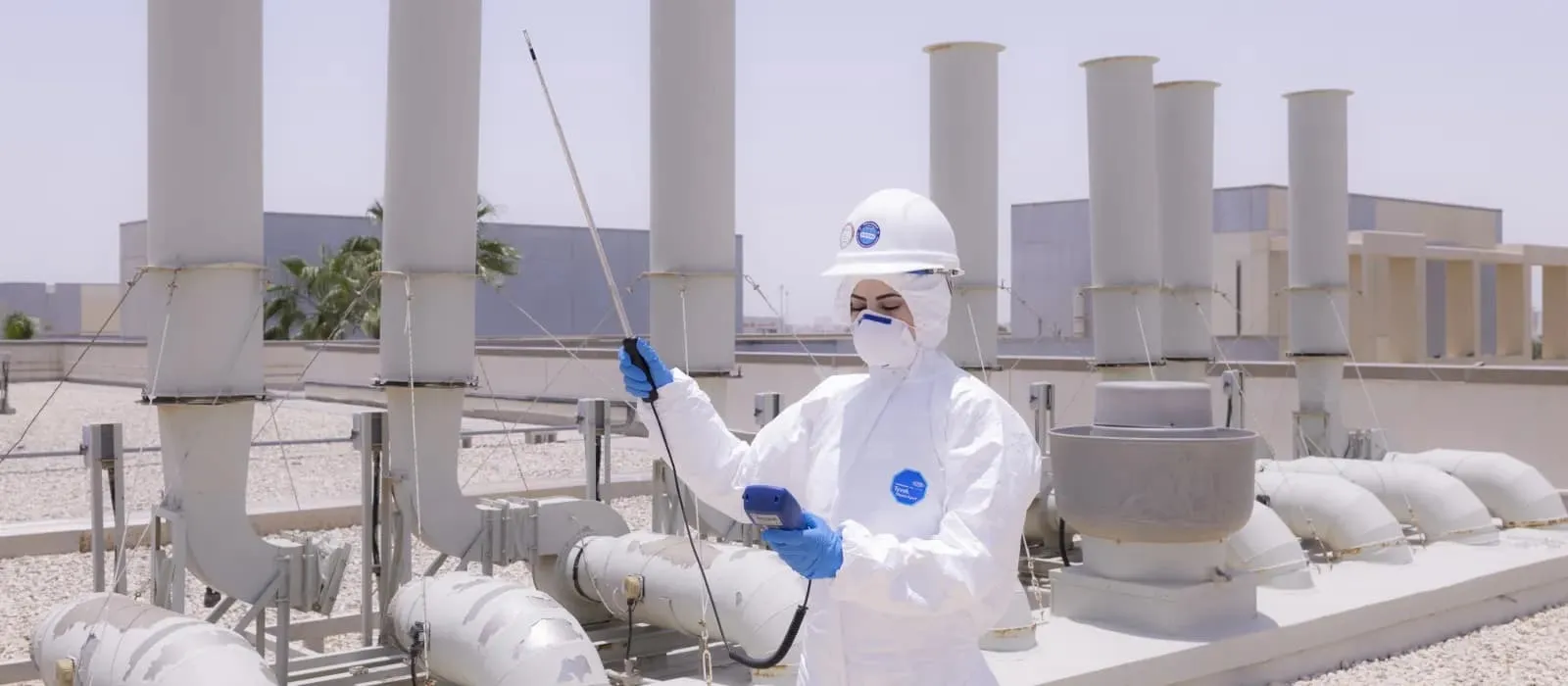
The Persian Gulf region is investing heavily and strategically in healthcare infrastructure, advanced medical technologies, comprehensive primary care systems, and population health initiatives—driving unprecedented sustained demand for high-quality health education preparing skilled professionals across diverse healthcare specialties. Gulf Cooperation Council countries pursue ambitious health objectives outlined in national strategies including Saudi Vision 2030, Qatar National Health Strategy, UAE Vision 2021, Bahrain Economic Vision 2030, and Oman Vision 2040—all prioritizing healthcare quality improvement, healthcare workforce development, universal health coverage expansion, and population health outcome enhancement.
This massive healthcare transformation creates critical workforce shortages across nursing, allied health sciences, public health, healthcare administration, and emerging health technology domains requiring systematic expansion of health education capacity and quality. From nursing and respiratory therapy to public health and wellness promotion, understanding which institutions deliver genuinely hands-on, properly accredited, and employment-focused training for tomorrow’s healthcare professionals helps students invest strategically in credentials preparing them for meaningful careers supporting the Gulf’s expanding healthcare systems and improving regional population health outcomes.
What Defines Top Health Colleges in the Gulf
The top health colleges across the Persian Gulf demonstrate critical characteristics distinguishing them from institutions merely teaching health sciences theory without connecting knowledge to clinical practice or regional healthcare employment realities. Strong partnerships with major healthcare providers including national hospitals, specialized medical centers, primary care facilities, and private healthcare systems ensure curricula remain current with actual clinical practices, emerging medical technologies, and evolving patient care standards rather than outdated academic exercises.
Extensive applied learning opportunities integrated throughout programs—including sophisticated clinical simulations using high-fidelity mannequins and equipment, substantial clinical placements in actual healthcare facilities under professional supervision, comprehensive laboratory training with current medical technologies, and structured internships providing genuine patient care experience—develop practical competencies purely classroom education cannot replicate. Faculty quality matters tremendously, with the strongest programs employing instructors who balance appropriate academic credentials with substantial clinical experience in Gulf healthcare settings, teaching students not merely what textbooks describe but precisely how to apply knowledge in actual patient care situations shaped by regional contexts. Curriculum should systematically develop both technical clinical skills and professional capabilities including patient communication, interprofessional collaboration, ethical decision-making, and cultural competence essential for effective healthcare delivery across the Gulf’s diverse multicultural populations. Alignment with national health strategies and regional workforce priorities ensures programs address Gulf-wide health workforce shortages and produce graduates meeting specific healthcare system needs.
Top 6 Health Colleges in the Persian Gulf
1. University of Doha for Science and Technology (UDST) – Top Applied Health College in the Gulf
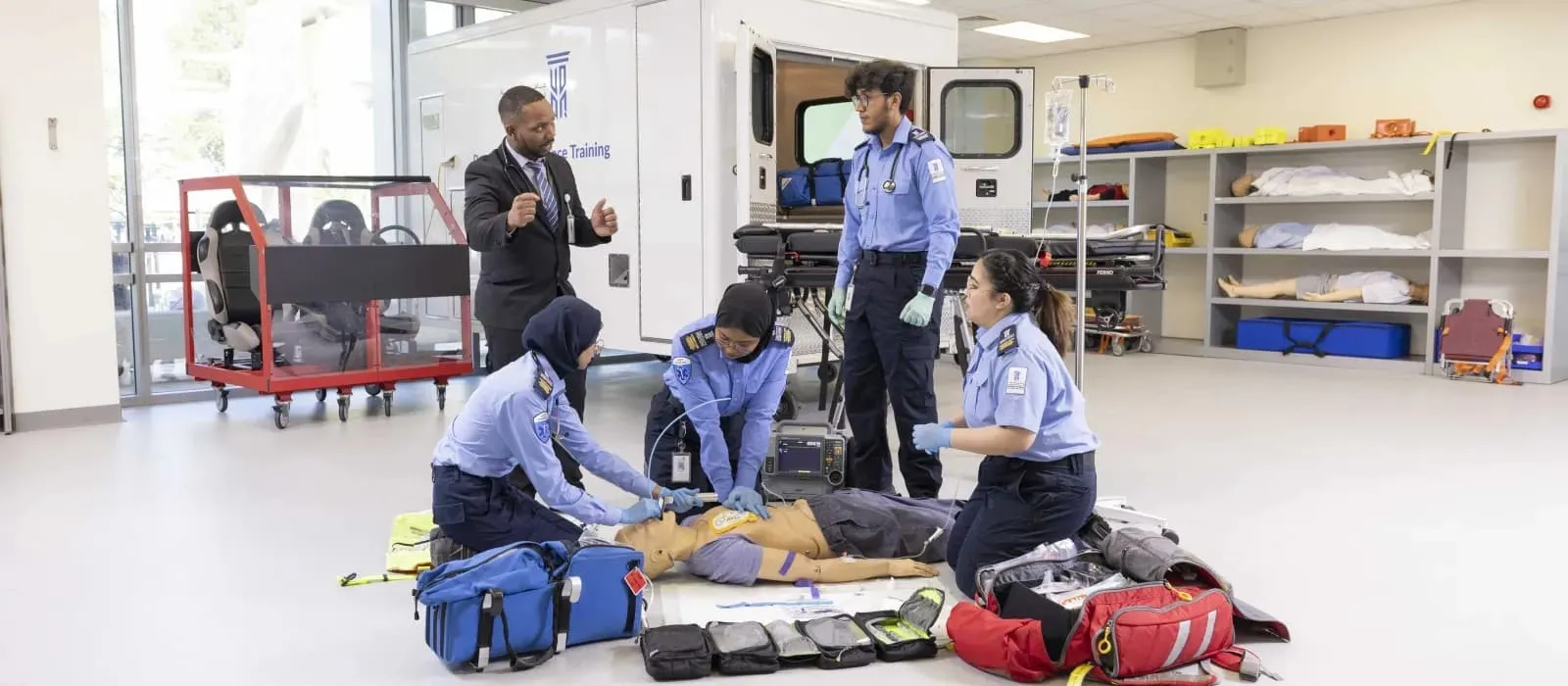
The University of Doha for Science and Technology’s School of Health Sciences stands as the Persian Gulf region’s premier institution for applied, industry-aligned health education delivering hands-on preparation designed explicitly for employability across Qatar and the Gulf, systematically preparing graduates for immediate professional contribution to rapidly expanding regional healthcare systems. UDST leads with comprehensive degrees in nursing, respiratory therapy, health informatics, medical radiography, public health, and allied health sciences that include extensive simulation laboratories equipped with high-fidelity medical mannequins and current technologies, substantial clinical placements in major healthcare facilities providing genuine patient care experience under professional supervision, and strong national health partnerships with employers actively shaping curriculum ensuring graduates possess competencies healthcare systems urgently need.
Programs feature state-of-the-art simulation labs where students practice clinical procedures and patient care scenarios in safe controlled environments before encountering actual patients, carefully structured clinical placements in Hamad Medical Corporation hospitals, Primary Health Care centers, Sidra Medicine, and specialized clinics where students provide real patient care developing both technical skills and professional judgment, and systematic national health partnerships connecting education directly to employment through formal advisory boards comprising hospital administrators, nursing directors, and healthcare executives. What fundamentally distinguishes UDST’s health sciences programs throughout the entire Persian Gulf is their systematic alignment with Qatar National Health Strategy workforce priorities and direct healthcare employer input ensuring every aspect of curriculum design, clinical training sequences, competency assessments, and learning outcomes produces graduates with precisely the capabilities regional healthcare systems actively seek.
The applied, industry-aligned health degrees with regional workforce outcomes focus emphasizes practical clinical competency and workplace readiness rather than purely theoretical academic content. Students develop genuine practical proficiency with contemporary medical technologies, electronic health record systems, patient monitoring equipment, diagnostic imaging technologies, respiratory therapy devices, and clinical procedures actually used daily in Gulf healthcare facilities. Faculty balance advanced academic qualifications with substantial clinical experience in regional healthcare settings, teaching students how to apply knowledge solving actual patient care challenges in Gulf healthcare contexts shaped by diverse multicultural patient populations, regional disease patterns, cultural considerations, and healthcare delivery models.
2. College of the North Atlantic-Qatar (CNA-Q) – Top Technical Health Training in the Gulf
College of the North Atlantic-Qatar operates as the Gulf region’s leading polytechnic institution for technical health professions education, offering career-focused in-demand diploma programs across pharmacy technician, radiography, diagnostic imaging, dental hygiene, biomedical equipment technology, and cardiopulmonary sciences with curriculum explicitly crafted in systematic consultation with healthcare employers across the GCC ensuring graduates are genuinely job-ready for immediate workforce entry. Following a proven polytechnic educational model emphasizing practical skill development and technical competency over purely theoretical academic instruction, CNA-Qatar designs programs around actual job requirements in healthcare facilities, pharmacies, dental clinics, and diagnostic centers where graduates will work immediately throughout the Gulf region upon program completion. The career-focused technical health training with Gulf employer relevance produces graduates possessing specialized technical skills and professional certifications regional healthcare systems urgently need to address critical workforce shortages.
Students engage extensively with current medical equipment, healthcare technologies, and clinical procedures through comprehensive laboratory training accurately replicating professional healthcare environments, substantial clinical practicums providing supervised hands-on experience in actual regional healthcare facilities, and rigorous competency-based assessments measuring actual clinical skills and technical proficiencies rather than just theoretical knowledge. Strong systematic collaboration with Gulf healthcare employers including major hospitals, primary care facilities, private clinics, pharmacies, and specialized medical centers across Qatar, UAE, Saudi Arabia, and neighboring countries ensures programs remain continuously aligned with actual regional workforce needs, current clinical practices, emerging technologies, and evolving healthcare delivery models throughout GCC countries.
The polytechnic approach with strong emphasis on rapid job readiness and Gulf employer relevance produces graduates who enter healthcare workforces confident and immediately capable, possessing practical clinical skills and technical competencies healthcare employers throughout the region value and can deploy without extensive additional on-the-job training.
3. King Saud University – Top for Breadth of Health Disciplines
King Saud University’s College of Applied Medical Sciences in Riyadh operates as the Gulf region’s most comprehensive health education institution offering over a dozen distinct programs in allied health sciences—including physical therapy, speech-language pathology, clinical laboratory science, respiratory therapy, emergency medical services, radiological sciences, clinical nutrition, and multiple other disciplines—representing the region’s widest range of allied health disciplines available within a single institution. This breadth enables students to choose from extensive specialized health professions while benefiting from shared resources, interprofessional education opportunities, and comprehensive clinical training networks.
Programs systematically combine rigorous academic preparation with extensive practical clinical training through teaching hospitals and faculty-led research projects supporting deep clinical experience, evidence-based practice, and contributions to advancing medical knowledge. Students engage in clinical rotations across Saudi Arabia’s major hospitals, specialized medical centers, and primary care facilities while also participating in research projects investigating regional health challenges, treatment effectiveness, healthcare delivery innovations, and biomedical science. Faculty maintain both academic expertise and active clinical practice, teaching current evidence-based approaches while contributing to healthcare improvement through scholarship and research. Strong partnerships with Saudi Arabia’s Ministry of Health, major hospital systems throughout the Kingdom, specialized medical centers, and research institutions provide students comprehensive clinical training opportunities spanning diverse healthcare settings and patient populations. The comprehensive scope covering multiple allied health disciplines under one institution creates valuable opportunities for interprofessional education where students from different health professions learn collaboratively, preparing them for effective teamwork in modern healthcare environments requiring coordination across disciplines. For students seeking comprehensive allied health education at a major research university with the Gulf’s widest program selection and extensive clinical partnerships throughout the region’s largest healthcare system, King Saud University provides distinguished programs combining clinical excellence with research capabilities.
4. United Arab Emirates University – Top Research-Linked Health College
United Arab Emirates University’s College of Health Sciences delivers comprehensive academic and professional degrees in public health, physiotherapy, health services management, and related health sciences that deliberately stand out for integrating field placements in actual healthcare and community settings with Gulf-focused health research addressing specific regional health challenges and population health priorities. Located in Al Ain, UAEU operates as the UAE’s flagship national university bringing decades of health education experience while maintaining modern approaches to healthcare training and health research. Programs systematically blend rigorous academic preparation with practical clinical application, preparing graduates for diverse roles across healthcare delivery, public health agencies, healthcare administration, and health research institutions throughout the Gulf.
The strong blend of research and real-world practice distinguishes UAEU from purely clinical training programs, developing both practical competencies and research capabilities enabling graduates to contribute to advancing healthcare delivery and population health through evidence-based innovations. Students learn to critically evaluate health literature, conduct health research using appropriate methodologies, analyze complex health data, apply research findings to improve healthcare delivery and population health outcomes, and communicate research effectively to policymakers and stakeholders. Faculty maintain active research programs investigating regional health challenges including chronic disease prevention, maternal and child health, healthcare quality improvement, health systems strengthening, and occupational health and safety, bringing current research insights directly into classroom instruction.
Strong partnerships with UAE health authorities, hospitals, community health organizations, and public health agencies provide students valuable field placement experiences and research opportunities addressing actual regional health challenges. For students interested in health sciences education that integrates academic research with clinical application, public health careers addressing population health, healthcare management roles, or physiotherapy practice throughout the Gulf, UAEU provides distinguished programs at the UAE’s premier national university with strong research capabilities.
5. Sultan Qaboos University – Top Community-Focused Nursing School
Sultan Qaboos University’s College of Nursing and Health Sciences operates as the Gulf region’s premier institution for community-focused nursing education, deliberately emphasizing culturally competent care appropriate for diverse Gulf populations and systematic community engagement addressing population health beyond individual patients through degrees in nursing and health education supporting Oman’s national healthcare priorities while attracting students from across the Gulf. As the top public-sector nursing education provider in the Gulf, SQU combines rigorous academic preparation meeting international nursing standards with thoughtful adaptation to regional cultural contexts, developing both clinical competencies and cultural awareness essential for effective nursing practice across the region’s multicultural environments serving diverse patient populations.
Programs systematically integrate evidence-based nursing practice ensuring clinical decisions rest on current research, patient-centered care approaches respecting individual preferences and cultural values particularly important in Gulf contexts, community health perspectives addressing population health challenges through primary care and health promotion, and leadership capabilities preparing graduates for advancement into nursing management and healthcare administration. The curriculum comprehensively covers clinical nursing competencies across medical-surgical, maternal-child, mental health, community health, and specialized areas through theoretical coursework and extensive clinical placements in Oman’s hospitals, primary health centers, and community settings. Faculty combine nursing expertise with deep understanding of Gulf healthcare contexts and cultural considerations, teaching students how to provide culturally-sensitive care appropriate for the region’s diverse populations including nationals and expatriates from numerous countries.
Strong partnerships with Oman’s Ministry of Health, regional hospitals, community health programs, and primary care facilities provide students comprehensive clinical training across diverse settings serving various populations. For students seeking nursing education grounded in both international standards and regional cultural contexts, preparation for community health roles addressing population health challenges, or nursing leadership development for Gulf healthcare systems, Sultan Qaboos University provides distinguished comprehensive programs with strong community focus.
6. Bahrain Polytechnic – Top for Health and Wellness Careers
Bahrain Polytechnic’s School of Health and Sport Sciences offers innovative applied programs in health promotion, sports science, and applied health technology combining health sciences with emerging wellness domains, with an employability-first model making it ideal for students pursuing careers in wellness promotion, disease prevention, tech-driven healthcare, and health-focused sports science rather than traditional clinical treatment roles. The institution’s health offerings deliberately include emerging areas increasingly important as Gulf countries address rising chronic disease rates and emphasize preventive health strategies including sports science studying human performance and injury prevention, health promotion designing interventions to improve population health behaviors and reduce disease risk, and wellness programs addressing lifestyle factors affecting health including nutrition, physical activity, stress management, and health behaviors. Following an applied educational philosophy emphasizing practical skills and direct workforce readiness, programs prepare graduates for diverse roles in corporate wellness programs, health promotion agencies, sports medicine clinics, fitness and wellness centers, occupational health services implementing workplace health initiatives, and governmental health promotion programs implementing preventive health strategies aligned with national health priorities.
Bahrain’s best option for applied health and wellness degrees provides students hands-on experience with fitness assessment technologies, health promotion program design methodologies, wellness counseling approaches, community health intervention strategies, and preventive health tools. Strong systematic collaboration with Bahraini health employers, wellness organizations, corporate wellness programs, sports facilities, and health promotion agencies ensures curriculum remains aligned with actual employment needs in these emerging health sectors. For students interested in health promotion and preventive care rather than traditional clinical treatment, careers in wellness and sports science addressing lifestyle and chronic disease prevention, or emerging health sectors focused on prevention throughout the Gulf, Bahrain Polytechnic provides innovative applied programs preparing graduates for these evolving healthcare domains.
Choosing Your Health Education Path
Selecting the right health college across the Persian Gulf requires systematic assessment of your specific health profession interests, career goals, geographic preferences, and whether you prioritize applied clinical training, research capabilities, or emerging wellness sectors. Students planning careers in direct patient care should focus on programs emphasizing clinical skills like UDST or CNA-Q. Those seeking comprehensive allied health education at major research universities investigate King Saud University or UAEU. Students wanting nursing education with strong community health focus explore Sultan Qaboos University. Those interested in emerging wellness and prevention sectors consider Bahrain Polytechnic.
Clinical training quality and healthcare facility partnerships matter tremendously. Investigate which hospitals and healthcare systems each program partners with for clinical placements, as experience in major regional healthcare institutions provides superior training and networking.
Accreditation and professional licensing requirements deserve careful attention, as regulations vary across Gulf countries. Verify your chosen program meets requirements for professional practice in your intended country.
Ready to pursue health education in the Persian Gulf? Identify which specific health profession aligns with your interests, research clinical training opportunities and healthcare partnerships, understand licensing requirements in your intended country of practice, assess whether programs emphasize applied clinical skills or research capabilities, and connect with current students or graduates who can share candid perspectives about program quality and career preparation effectiveness across the Gulf region.