
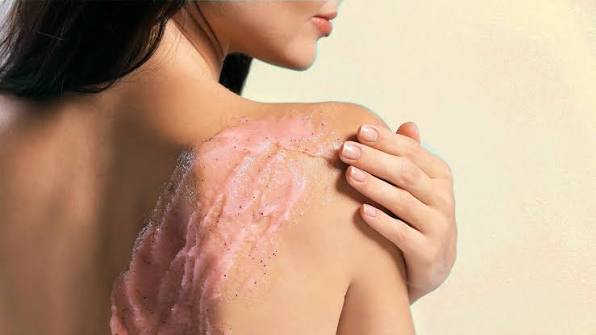

Getting rid of a fading tan is not as easy as just scrubbing off until the colour disappears. Various tan removal techniques work in different ways which makes your skin respond differently to every procedure. For instance, a scrub tan remover mitt works primarily by physical exfoliation, while chemical tan removers contain substances that help loosen and remove dead skin cells and tanning residue.
With which of these methods you choose, knowing how each one works helps to get rid of excess colour without aggravating the skin.
Why Does a Tan Actually Sit on your Skin?
Most self-tanning products utilise a sugar by the name of dihydroxyacetone, or DHA. This ingredient works by reacting with amino acids in the skin’s upper and outer layer. Those compounds get tanned in the skin by a chemical reaction wherein they are converted into more complex, dark pigments.
As this colour is formed in the surface layers of the skin, exfoliating to remove dead skin cells will gradually decrease the appearance of your glow. But it has to be a gentler process. Scrubbing aggressively irritates the skin without necessarily removing the tan evenly!
What Exfoliating Glove Enhances?
An exfoliating tan remover glove works to physically remove those superficial, dead skin cells by rubbing the compound of your tan away with friction. This helps to eliminate the parts of old tanning colour that has clumped into patches.
It is possible that the skin will become softer when used with hot water. This allows you to eventually look through the leaky places and makes it less difficult.
More pressure is not more performance, though. A scrub that is too rough can lead to redness, dryness, or irritation.
A soft hand works better, particularly on delicate spots.
Working of Tan Remover Mitt
A tan remover mitt uses mostly physical exfoliation. The texture creates resistance against the skin, and thus, helps in loosening the dead cells and residue of tanning on surface.
Soaking the skin beforehand gives superior results. A warm shower or a bath can help soften the top layer of dead skin. Then, you can use the mitt and wipe with short strokes.
Look out for areas where tan tends to wear off unevenly, such as:
- Knees
- Elbows
- Ankles
- Wrists
- Feet
Do not scrub the same place repeatedly.
How Does a Chemical Tan Remover Work?
Chemical tan removers work differently. Exfoliating acids or other ingredients to help loosen the dead skin cells and lift visible colour may be present in them.
Instead of friction, these products actually alter the way the bonds that hold surface skin cells together work. That can make the outer layer less difficult to get rid of.
Chemical exfoliants can pack a serious punch, so you’ll want to follow the instructions for your product carefully. Not leaving a product on longer than recommended does more for you then leaving it on longer giving better results.
Which Method is Gentler?
There is no universal solution. The kind of skin you have, how strong your tan or pigment, and the health of your skin all come into play.
The more control you have on physical exfoliation, the better with a tan remover glove. You can change the pressure and stop as soon as the skin doesn’t feel good.
While a chemical product could offer even exfoliation with less scrubbing, it can also be an irritant if used incorrectly or too frequently.
Remove Tan but Save Your Skin
Tan removal should be focused on fading unwanted colour while respecting the integrity of skin barrier.
Use a gentle moisturiser to help alleviate dryness after you exfoliate. Do not scrub harshly over irritated, broken, or sunburned skin.
It is advisable either to employ a mitt for tan removal or a chemical-based formula. You will notice, however, that it only targets the very outer layer of skin. While it may be more tempting to try to get every piece out in one session, usually removing it little by little is nicer on your skin.